Software engineering is dead. Long live product engineering.

I coach teams through real AI adoption, and I build ambitious products with AI. One method for both: specifications before code, adversarial review before implementation, verification before delivery.

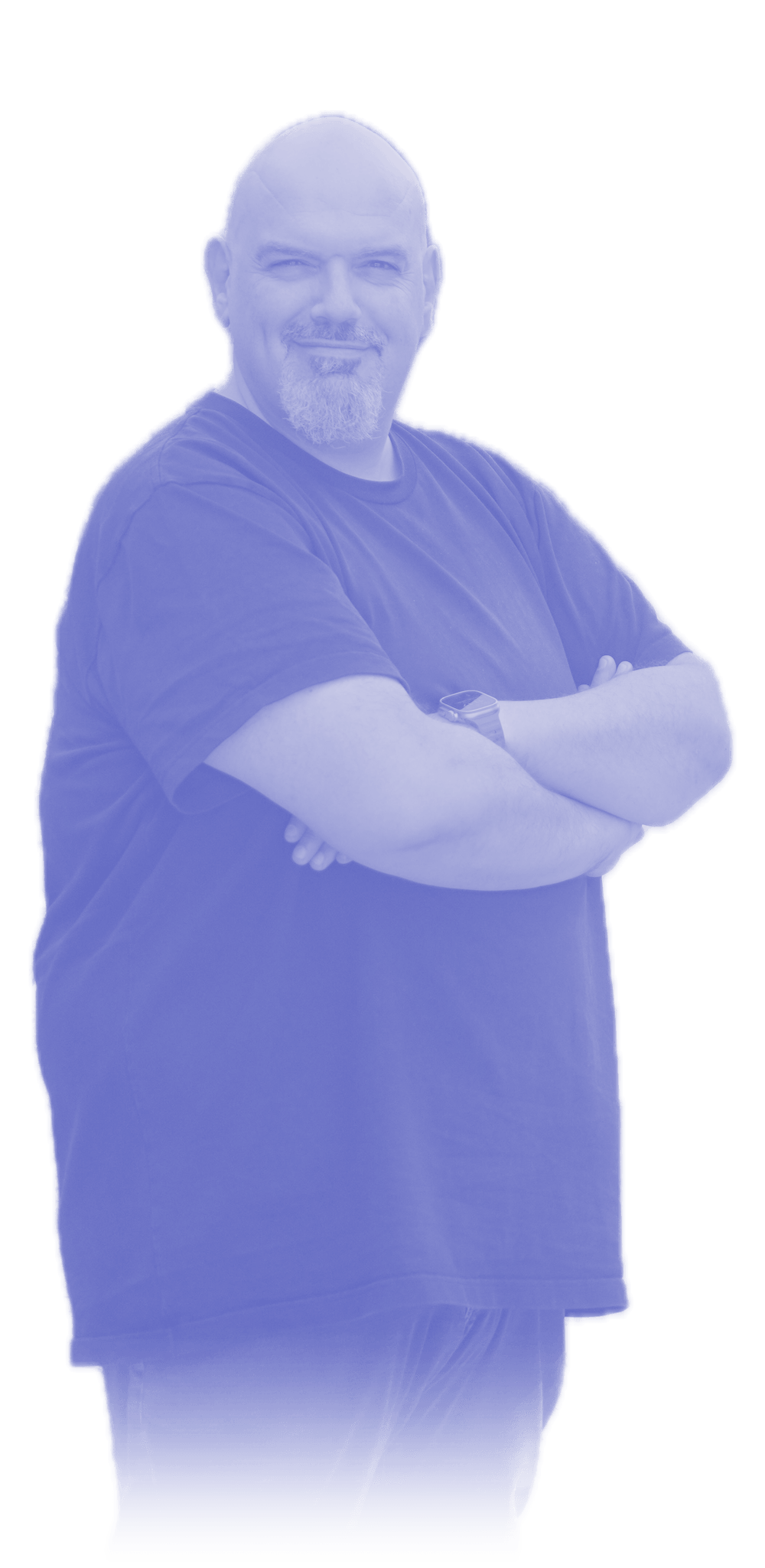
Portrait of Sébastien Arbogast in ink and ultramarine duotone
The transition

Twenty years of code. Two years of grief. Seven months that changed everything.

I wrote my first application as a teenager and never stopped. For fifteen years I built software for startups and small companies as a freelance consultant, handling everything from architecture to deployment, every line written by hand.

Two years ago the leads dried up. Clients started vibe coding their own prototypes, budgets evaporated, and the market stopped paying for clean, secure, scalable software. What followed was a real grief, denial and anger included.

Then I stopped fighting the wave and learned to ride it, on my own product first, where no client’s business was at risk. That is where the method was born, one gate at a time: specify, review, verify. The craft survived; it just moved up a level.

Then
Two or three client projects at a time, every line handwritten
Now
Skaoot, my own product, shipped solo and driven by specs, review gates, and AI
Read the full manifesto

Two doors, one method.

Adopt an AI

Coaching for teams whose AI adoption is stalling.

“Here are some tokens, go ahead” is not a strategy. Trust in AI cannot be forced, only experienced, task by task, with the right workflows at each level. I coach engineering teams and their leadership through that progression, and through the change management the tools alone will never do.

  • Progressive workflows that build trust incrementally, from boilerplate to full features
  • Context engineering: project memory, skills, and instrumentation that raise output quality
  • Team and role redesign, because AI adoption is an organizational change, not a license purchase
Book a call, opens in a new tab

Augmented Intelligence

Ambitious products, built with AI and powered by it.

The ideas that were never worth the effort suddenly are. I take software projects from idea to production the way I built Skaoot: specification-driven, security-conscious, built to evolve, with AI doing the heavy lifting and twenty years of engineering judgment driving it.

  • Full lifecycle ownership: analysis, architecture, build, deployment, operations
  • AI as a feature, not a chatbot: document understanding, data synthesis, generative interfaces
  • Software that survives real users: private, scalable, maintainable
Book a call, opens in a new tab

The proof runs in production.

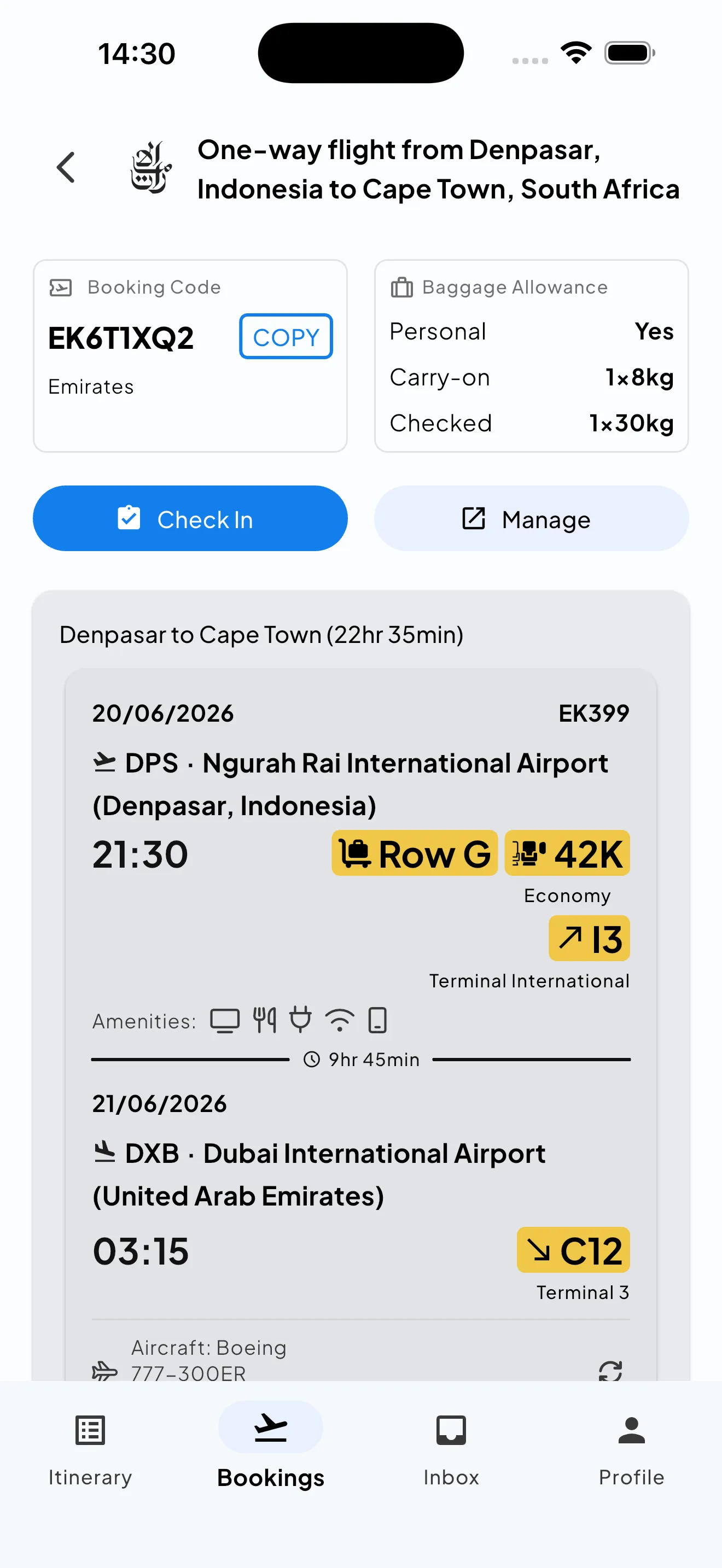
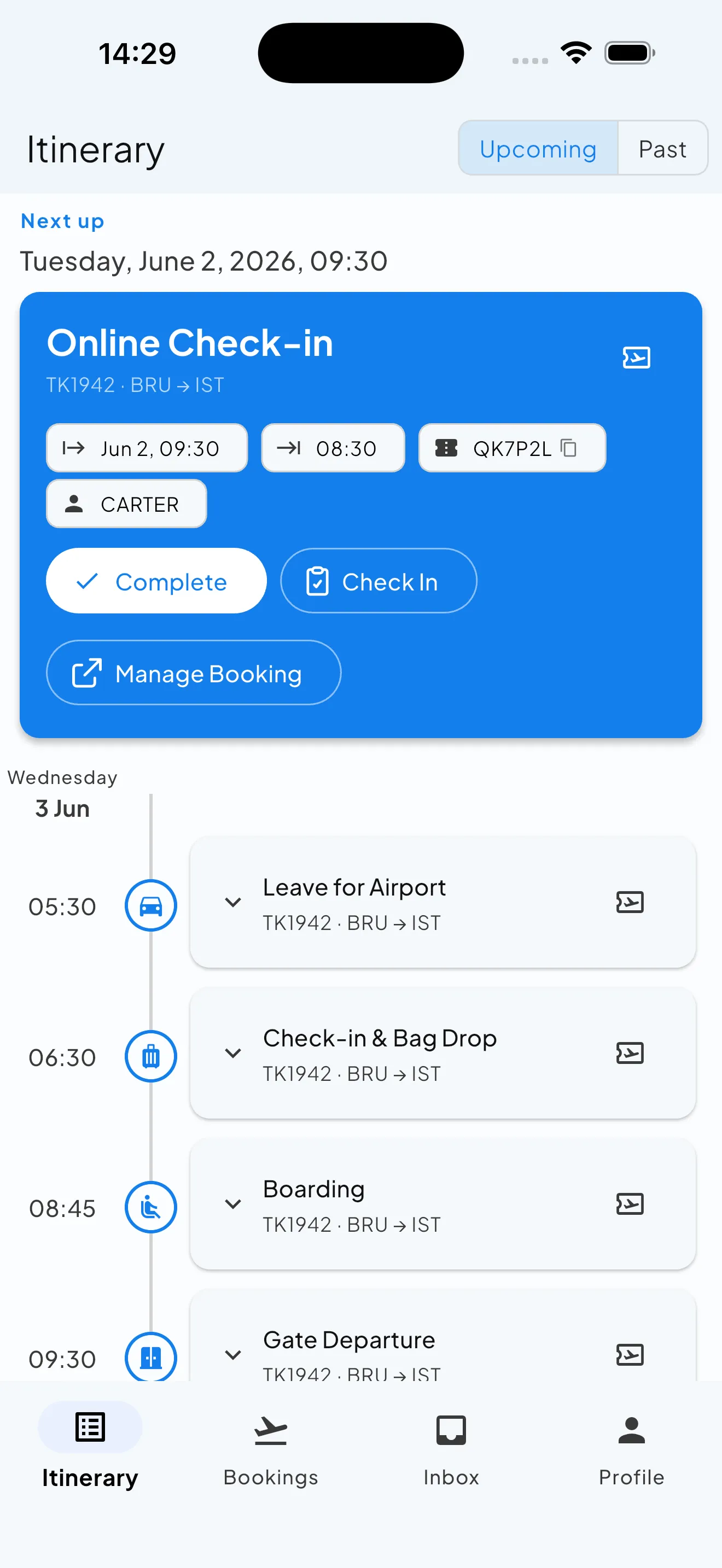
Skaoot is my travel assistant for digital nomads, and my laboratory. I built it alone, end to end, with AI as both development tool and product capability: it reads unstructured booking emails in any language and turns them into a living itinerary. No chatbot in sight.

5 months
from first commit to v1, solo
7 months
to a second major release
1 person
no employees, no investors
Visit skaoot.com, opens in a new tab
Skaoot itinerary screen: next up, online check-in for flight TK1942 from Brussels to Istanbul, then the travel day as a timeline: leave for the airport, check-in and bag drop, boarding, gate departure.
Skaoot booking screen: a one-way Emirates flight from Denpasar to Cape Town, with booking code, baggage allowance, and each leg with its seat, gate and terminal.
Skaoot for iOS: the living itinerary, and a booking read from an email. Real screen captures; only the phone outline is drawn.

Your transition has a method.

If your team’s AI adoption is stalling, or an ambitious product idea just became feasible, let’s talk about what the method looks like in your context.

Working remotely, worldwide.